
Description
Edited by Singh, Pardeep; Edited by Suruchi Singh; Edited by Mika Sillanpää
:
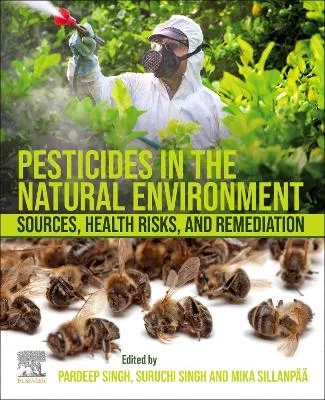
Pesticides in the Natural Environment: Sources, Health Risks, and Remediation presents the direct and indirect impacts of the use of pesticides on the environment, human health, and agriculture. The book explores sustainable alternatives to pesticide use, along with policies for regulations and remediation techniques. Bridging the gap between regulations and the tangible environmental threat, the book proposes practical solutions while also providing important context on the hazards of pesticides. It highlights the influence on climate change, offering a holistic perspective for researchers in environmental science, policymakers, and land managers. The book introduces pesticides and their applications, then goes on to cover their impact on various ecosystems in the natural environment. Health risks are covered, followed by various remediation techniques, such as biological processes, phytoremediation, and chemical treatments.
Table of contents:
Chapter 1: Classification of pesticides and loss of crops due to creepy crawlersChapter 2: Ecological impacts of pesticides on soil and water ecosystems and its natural degradation processChapter 3: Fate and assessment of pesticide in aquatic ecosystemChapter 4: Fate and adverse effects of pesticides in the environmentChapter 5: Towards understanding the impact of pesticides on freshwater ecosystemChapter 6: Persistence of pesticides and their impacts on human health and environmentChapter 7: Complex approaches to assessing the pesticides risk on human health and environmentChapter 8: Neurodevelopmental and reproductive impacts of pesticides on pregnant womenChapter 9: Pesticides and human health: The noxious impact on maternal system and fetal developmentChapter 10: ?ytogenetical bioindication of pesticidal contaminationChapter 11: Modulation of soil microbiome and related alterations in response to pesticidesChapter 12: Botanical pesticides as alternatives for more sustainable crops and healthy foodsChapter 13: The potential use of essential oils as natural biocides against plant pathogensChapter 14: Sustainable and eco-friendly alternatives to reduce the use of pesticidesChapter 15: Strategies for sustainable and ecofriendly pest management in AgroecosystemChapter 16: Pesticides removal from aqueous streams through anaerobic and aerobic biological treatment processesChapter 17: Metal organic frameworks for the removal of pesticidesChapter 18: Removal pesticides by advanced techniques based on nanomaterialsChapter 19: Pesticides removal techniques from the aquatic environmentChapter 20: Perspective of sustainable and intensified developments in treatment of pesticides from aqueous streamsChapter 21: Biomonitoring and biomarkers of pesticide exposure and human health risk assessment
Biographical note:
Dr Pardeep Singh is presently working as an Assistant Professor at the Department of Environmental Science, PGDAV College, University of Delhi, India. He obtained his master”s degree from the Department of Environmental Science at Banaras Hindu University, Varanasi India in 2011. He obtained his doctorate from the Indian Institute of Technology (Banaras Hindu University) Varanasi in the year 2017. The area of his doctoral research is the degradation of organic pollutants through various indigenous isolated microbes and by using various types of photocatalytic.He has published more than 35 papers in international journals in the field of waste management. Dr. Suruchi Singh is presently working as Faculty in the Department of Botany,Sunbeam College for Women,India. She obtained her PhD from Banaras Hindu University, India in Botany with Environmental Science as major field.Dr Singh received her postdoctoral experiences in Department of Botany, Banaras Hindu University under Council of Scientific and Industrial Research and D



Reviews
There are no reviews yet.