
Description
By (author) Matta William J.
Short /annotation:
These lessons may have no true bearing or justification in the current relationship, yet they can strongly affect it, fueling marital games, extra-marital affairs, addictions, poor parenting practices and a host of other harmful actions.
:
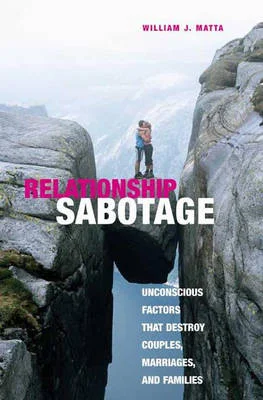
Hidden forces—memories of past poor or hurtful relationships—drive repressed feelings and emotions that are often outside our awareness. Though we want to love and be loved, to nurture and be nurtured, those forces can wreak havoc and cause relationship sabotage, destroying couples and even whole families. The scenario is so common, explains therapist Matta, that often people get divorced without even fully understanding why, or what is was that came between them. In many cases, what it was were the lingering but unconscious memories of lessons learned as far back as childhood. These lessons may have no true bearing or justification in the current relationship, yet they can strongly affect it, fueling marital games, extra-marital affairs, addictions, poor parenting practices and a host of other harmful actions. Matta argues that we can learn to recognize these imprints and move past them to build or keep rewarding relationships. His book makes us aware, and gives us the tools to break the cycle.
Table of contents:
PrefaceWhat People Bring to Counseling is Often Not the Real ProblemThe Unconscious Mind–Friend or Foe?The Miture of Unconscious Forces & Childhood Wounds Can be Lethal to a MarriageYour Family Problems May Have Started Back in Medieval TimesUnconscious Forces Can Destroy Not Only Relationships but Whole FamiliesPeople Who Feel Divorced but are Still MarriedGames People Playin RelationshipsOrganizing Problem Solving ConversationsExtra-Marital Affairs: Silence, Secrets, and Self-DisclosureAddictions–A Vain Attempt to Make Us Feel Whole by Daniel HoffmanOur Nervous System and Relational ProblemsEmotional Detachment: The Ultimate ARelationship DestroyerSo What Now?
Review quote:
“Listed by Psychology Todayas one of the US”s best family and marriage therapists, Matta here attempts to redirect clients” (and therapists”) attention to the importance of unconscious factors that impact couples and families. He draws on a potpourri of techniques and ideas from leading therapists in the field, past and present, illustrating each point from his own case files. Two chapter titles indicate the essence of the book: What People Bring to Counseling Is Often Not the Real Problem and Unconscious Forces Can Destroy Not Only Relationships, but Whole Families. Many chapters provide exercises that people in troubled relationships can use to improve their relationships. Chapter 8, Organizing Problem-Solving Conversations, is particularly strong in providing helpful suggestions. Each chapter has a brief list of references, and the final chapter gives suggestions for finding an appropriate therapist. Although mainly written as a self-help book, this title will also be useful to those in training, since it offers a realistic picture of the problems clients present and how therapists can approach these problems using standard therapy techniques. Recommended. Upper-division undergraduates, graduate students, professionals, general readers.” – Choice
Review quote:
“This is a theoretically diverse book written for both providers and consumers of marital counseling. It is organized to demonstrate the power of unconscious motivation as a destructive force in marital relationships. The range of theoretical perspectives represented in the small volume is historically and conceptually wide….Matta”s book offers a positive appreciation of the power of unconscious process in marital and family life. The reminder of these forces is important and useful in a world of increasing oversimplification.” – PsycCRITIQUES



Reviews
There are no reviews yet.